
Securing a Smart City IoT Network
Protecting Public Trust and Critical Urban Systems
The Challenge: Defending a Massive, Porous Digital Perimeter
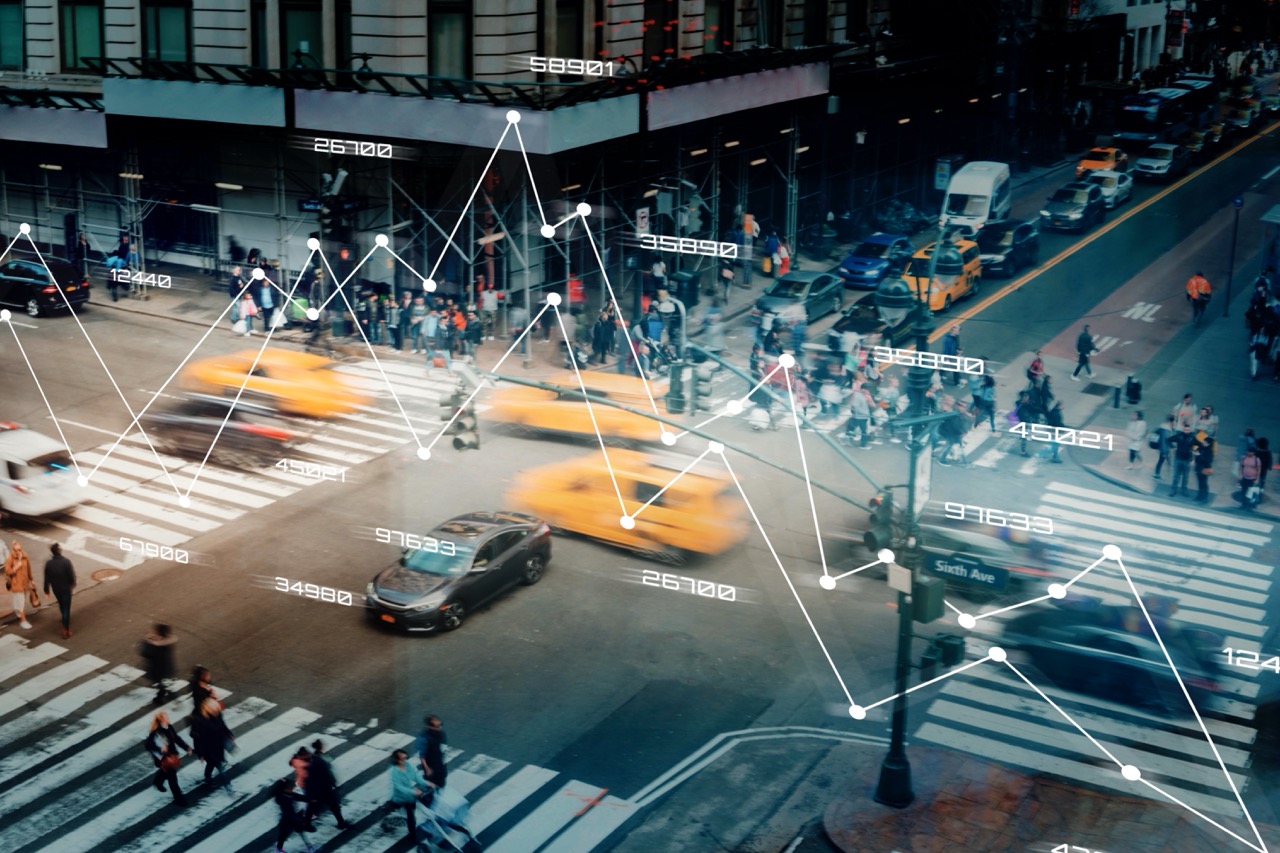
A major metropolitan area embarked on an ambitious Smart City initiative, integrating thousands of new IoT sensors, intelligent traffic controls, and smart utility meters into its operational framework. While this transformation delivered massive efficiency gains, it created a unified, massive attack surface that put public safety and citizen data at risk.
The City’s Core Threat: Exploitation of default passwords or unpatched firmware in new smart devices, leading to lateral movement into critical infrastructure (power grid, water systems) or the theft of personally identifiable information (PII) from municipal servers. The city needed a security solution that was proactive and specialized for resource-constrained IoT devices.
Subex Secure’s Predictive Solution
Subex Secure implemented a multi-layered defense strategy focused on AI-driven behavioral analysis and strict Zero Trust segmentation, allowing the city to maintain public services without disruption.
Phase 1: Deep IoT Visibility and Identity
- 100% Asset Discovery: We deployed passive monitoring that cataloged every device (IoT, OT, and IT) in the city network—including devices previously invisible to the IT team—and established a unique cryptographic identity for each one.
- Behavioral Baselines: AI models learned the exact pattern of traffic and function for devices, from traffic lights to smart water meters.
Phase 2: Micro-Segmentation and Policy Enforcement
- Zero Trust Micro-Segmentation: The sprawling network was divided into hundreds of isolated micro-perimeters. Policies were enforced to ensure a single, compromised traffic sensor could only communicate with its designated controller, preventing lateral movement into the more sensitive utility grids.
- Least Privilege Access: Access for maintenance contractors was restricted via ZTNA to specific devices for defined time windows, eliminating broad VPN access.
Phase 3: Continuous Monitoring and Anomaly Interception
- Managed Threat Intelligence (MTI): Our 24/7 SOC utilized MTI feeds to continuously scan for new threats targeting specific smart city devices and automatically push defense rules.
- Predictive Anomaly Detection: When a newly authenticated utility meter suddenly attempted to send a high volume of data to an unauthorized external server, the AI flagged the behavioral anomaly, predicting a breach, and automatically quarantined the device before any malicious payload could be executed.
Conclusion: Results and Impact
The engagement resulted in a demonstrable strengthening of the city's digital perimeter and citizen trust.
- Metric: 150+ sophisticated intrusion attempts intercepted in 6 months.
- Operational Uptime: Maintained 99.99% across all critical infrastructure.
- Time-to-Detect (TTD): Reduced to milliseconds via automated AI response.
By integrating predictive defense, the Smart City now treats security as a business enabler rather than a reactive cost center.
Ready to secure your critical infrastructure and maintain public trust?
.png)
"Working with Subex Secure has transformed our approach to safety. Their proactive strategies and commitment have ensured our operations run smoothly and securely. We couldn't ask for a better partner."

